

If you’re just starting out on guitar, picking your first set of strings can be surprisingly tricky. With so many options — different materials, gauges, and brands — it’s easy to feel lost. Yet the strings you choose will have a major impact on how your guitar sounds and how easy it is to play.
Lighter strings feel gentler on your fingers but sacrifice some tonal depth, while heavier sets boost volume and sustain but demand more finger strength. Materials also play a role in both tone and feel. Let’s take a look.
Material:
- Nickel-plated steel strings are the most common for electric guitars, offering balanced tone and versatility.
- Phosphor bronze or 80/20 bronze are widely used for acoustic guitars. Phosphor bronze is warmer; 80/20 bronze is brighter.
- Stainless steel or nickel are typical for bass guitar strings, with nickel offering smoother feel and balanced tone.
Gauge (thickness):
- Beginners usually start with light gauge strings (e.g. .009-.042 for electric, .011-.052 for acoustic) because they are easier to press down.
- Heavier gauges offer more volume and durability but require stronger fingers.
Playing style:
- Light gauges suit lead playing, bends and beginners.
- Medium to heavy gauges are better for rhythm, drop tunings, and players with a heavier touch.
How to choose guitar strings
Ernie Ball 3221 Regular Slinky
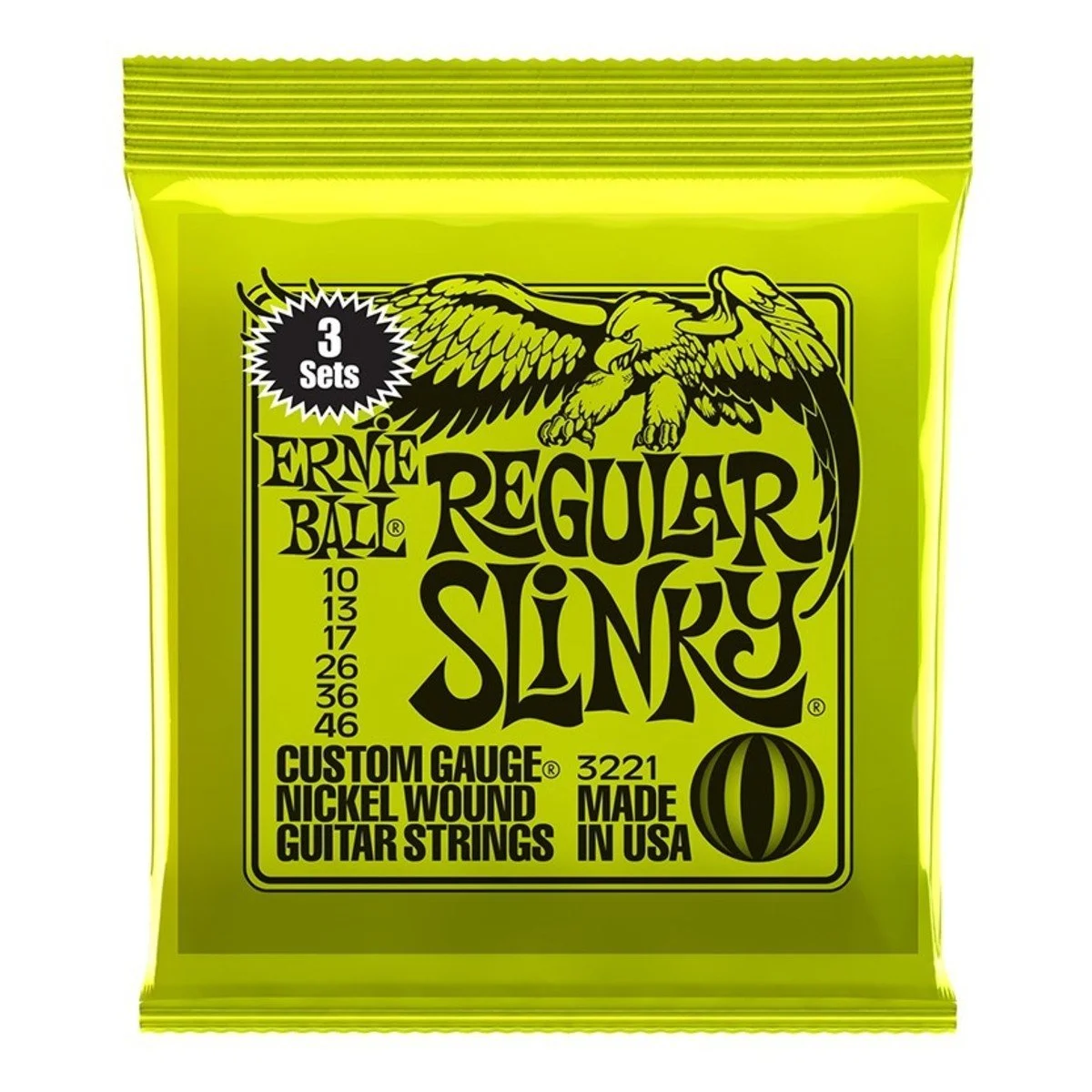
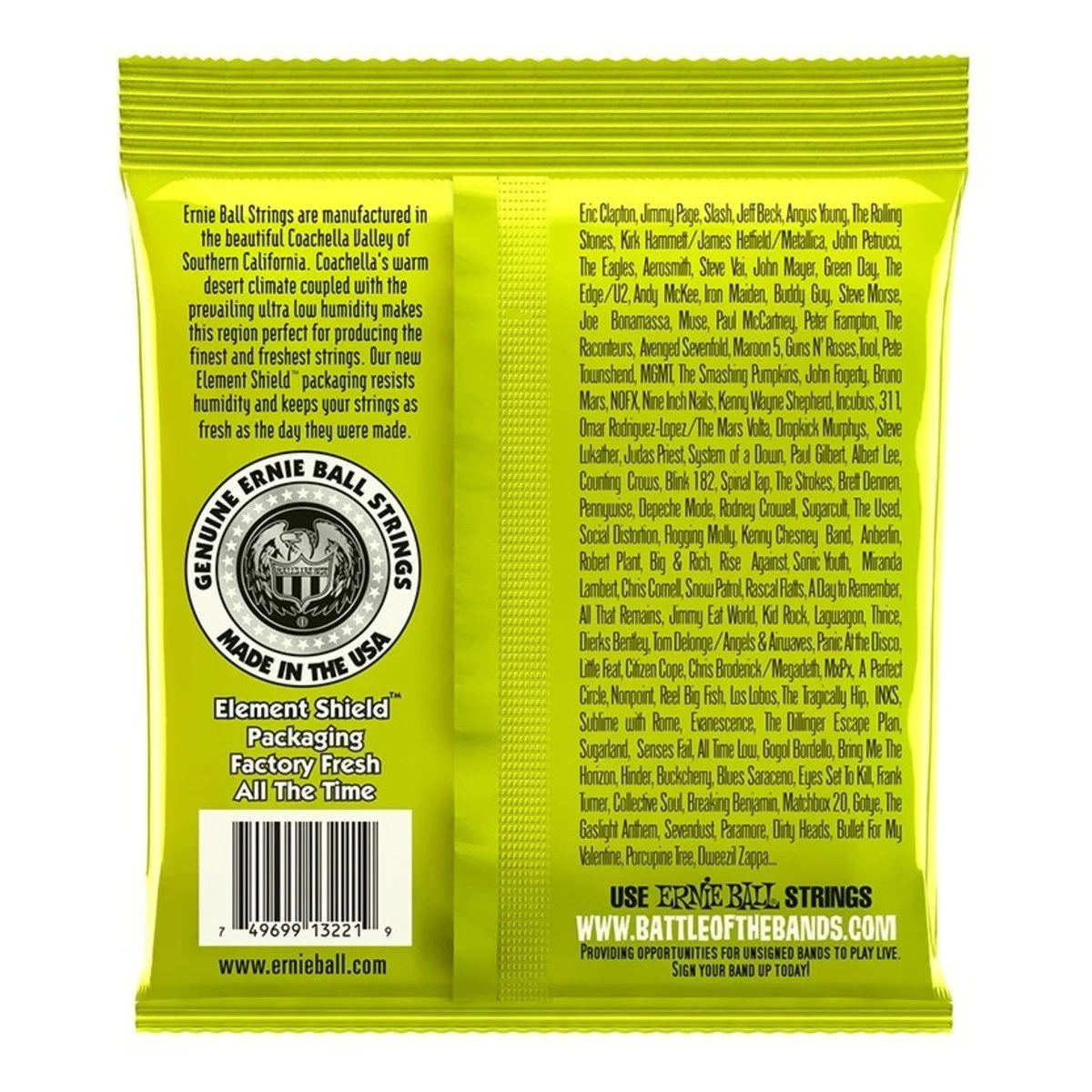
Popular with players of all levels, these nickel-plated steel strings (.010-.046) deliver a bright tone with balanced tension. Ideal for blues, rock and clean lead tones. Easy on the fingers yet responsive enough for expressive bends.
Ernie Ball Super Slinky 2723 and 3223
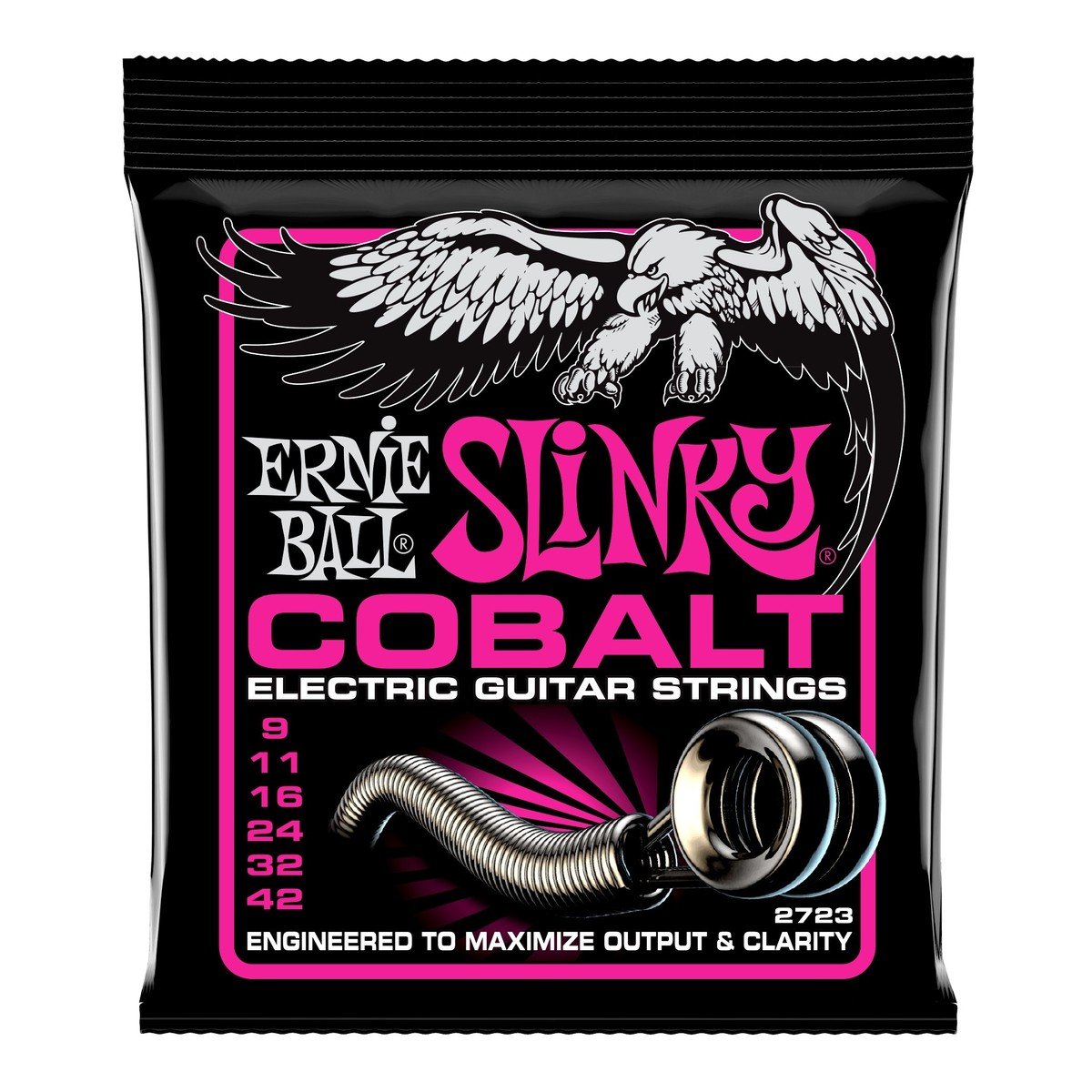
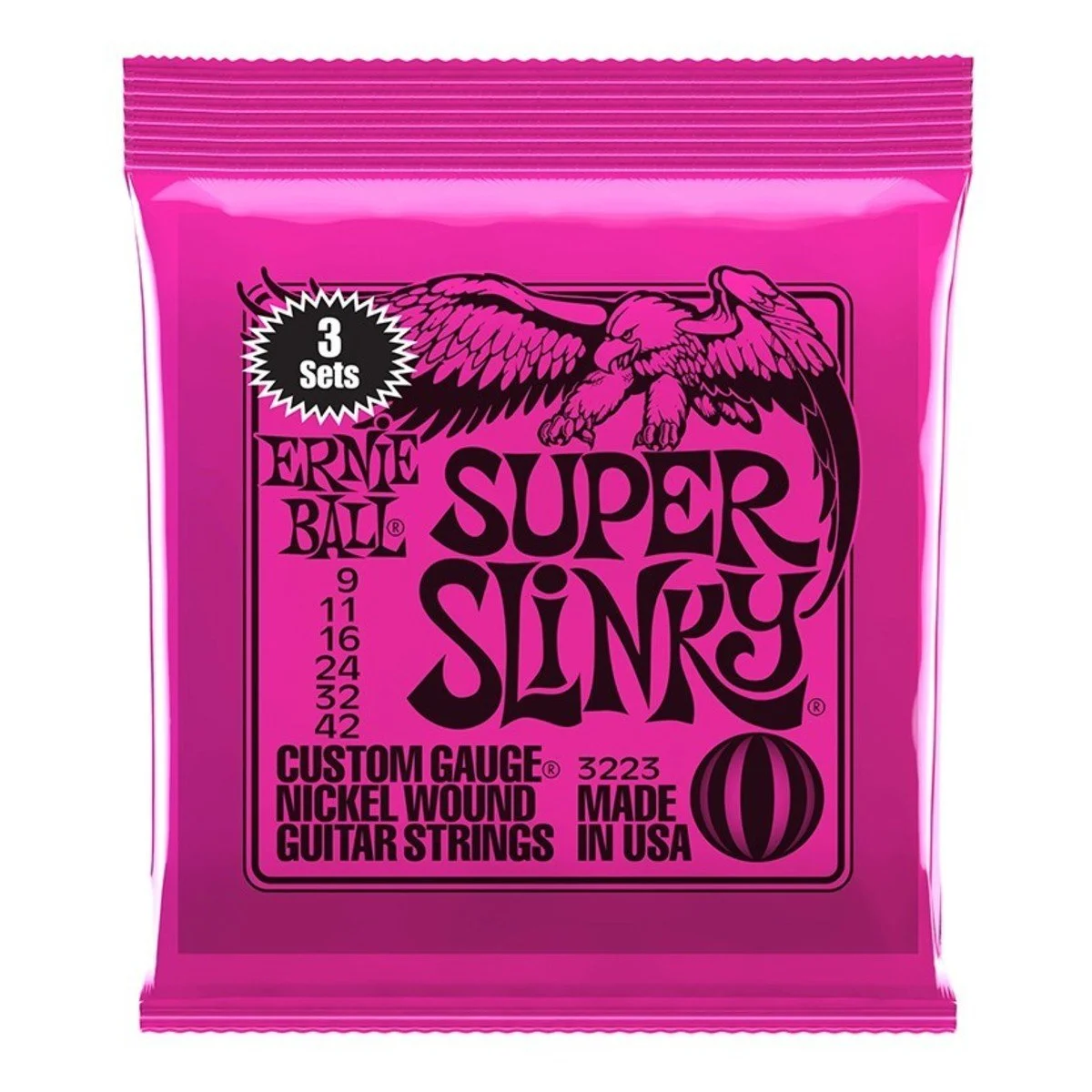
These .009-.042 gauge strings are perfect for beginners who want lighter tension for easier playability. Expect a bright, snappy tone and comfortable feel for extended practice sessions.
Fender 250R Electric Nickel Plated Steel Ball End 10-46
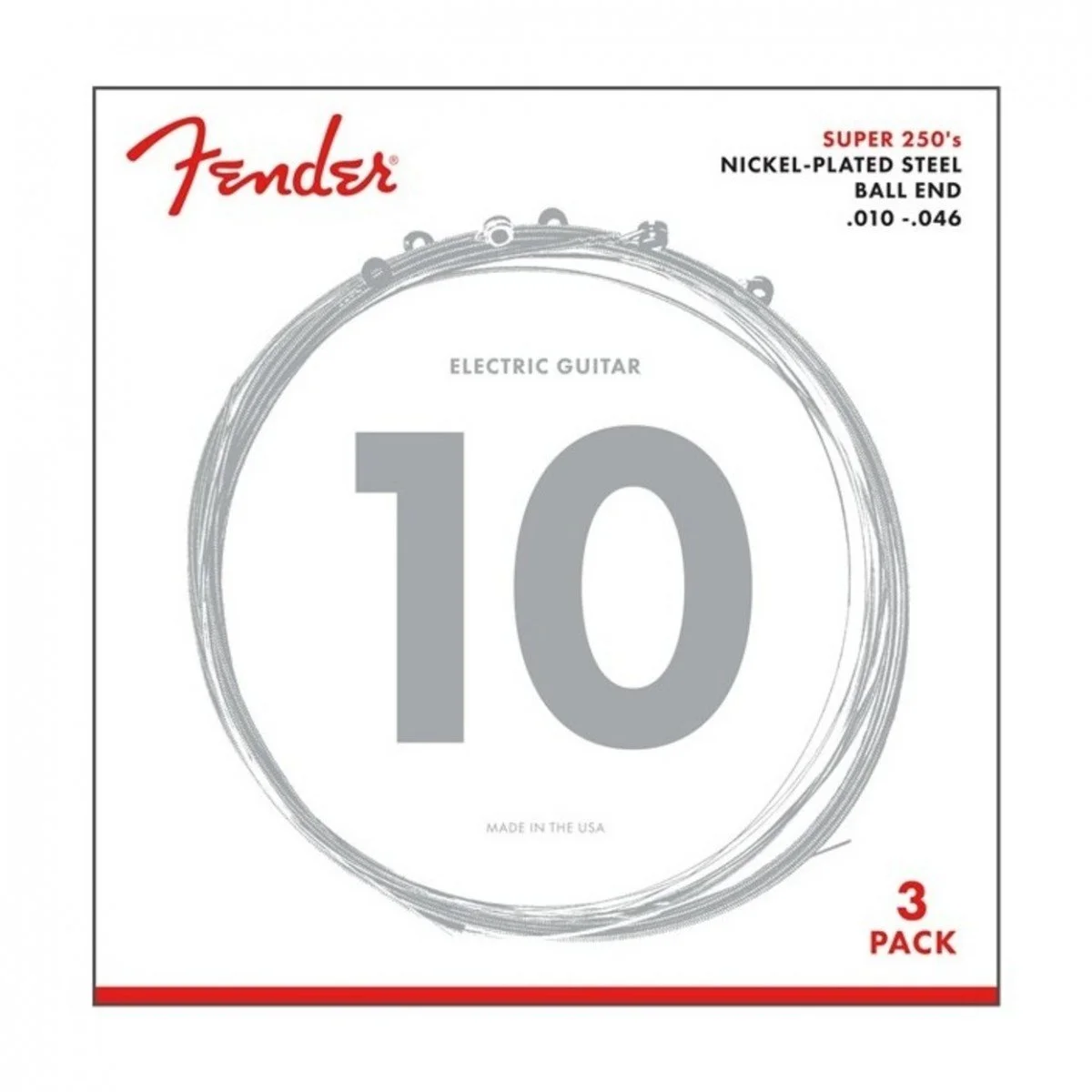
A reliable all-rounder with solid durability and classic Fender tone. The balanced 10-46 gauge works well for rhythm and lead playing. A strong choice for first-time electric players.
Best acoustic guitar strings
Ernie Ball 3004 Earthwood Light
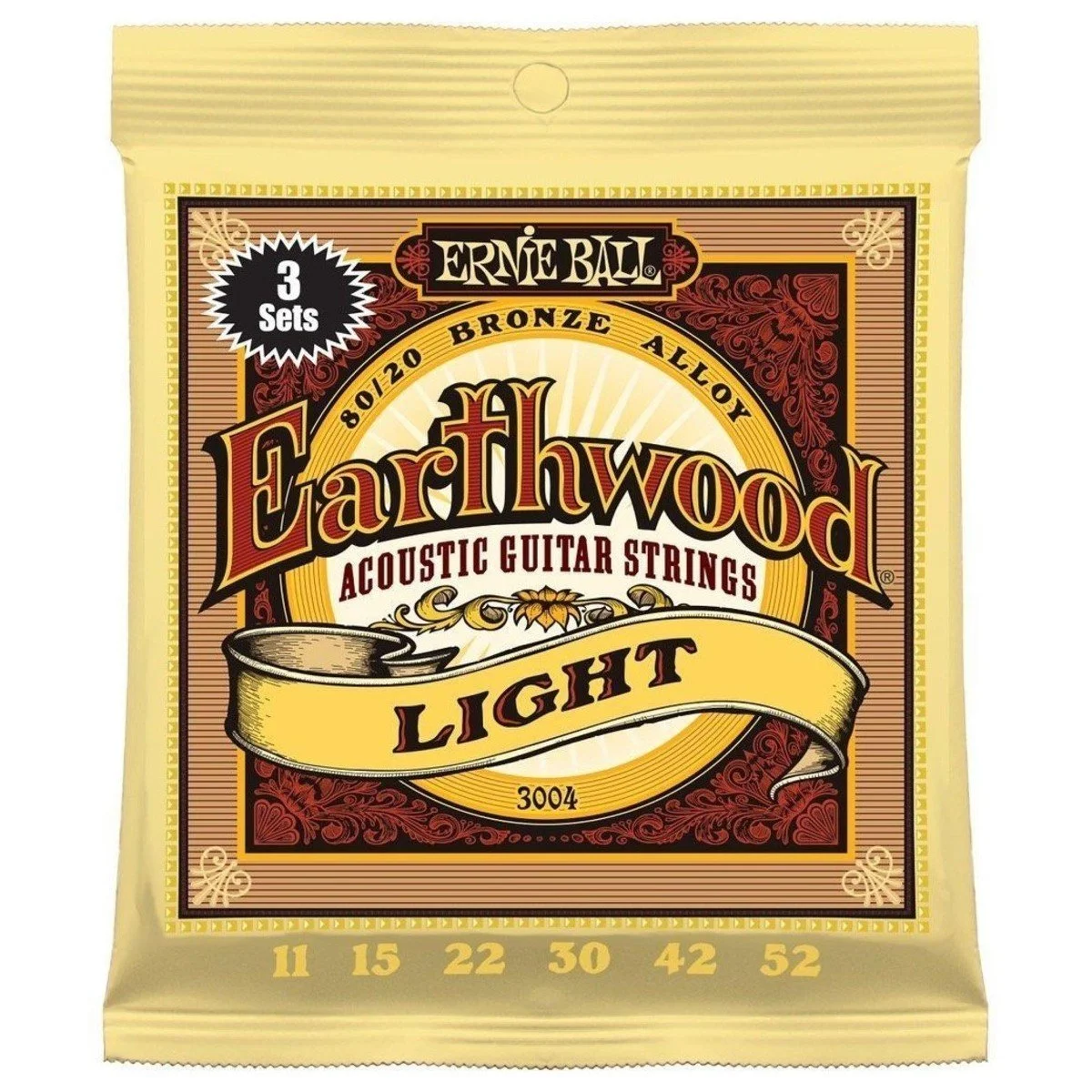
Crafted from 80/20 bronze, these .011-.052 strings deliver a crisp, bright tone that suits strumming and fingerpicking. A beginner-friendly set with smooth feel and strong projection.
D'Addario NB1356 Nickel Bronze Acoustic Guitar Strings
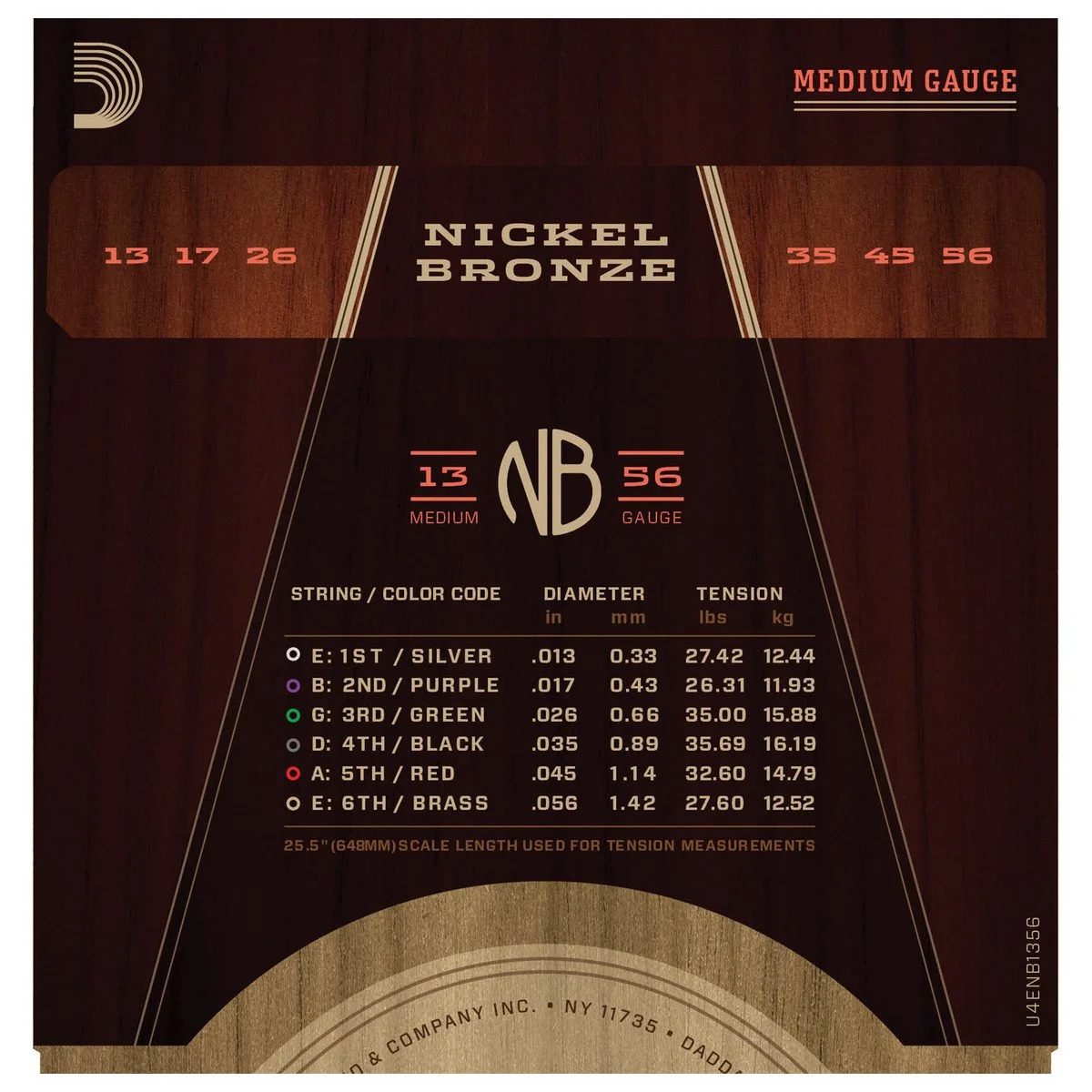
These .013-.056 strings offer great clarity and note separation. A good step-up choice for progressing beginners seeking a more defined sound. Strong tuning stability and long lifespan.
Martin MA540FXPK3 Phosphor Bronze Light Tommy Emmanuel 12-54
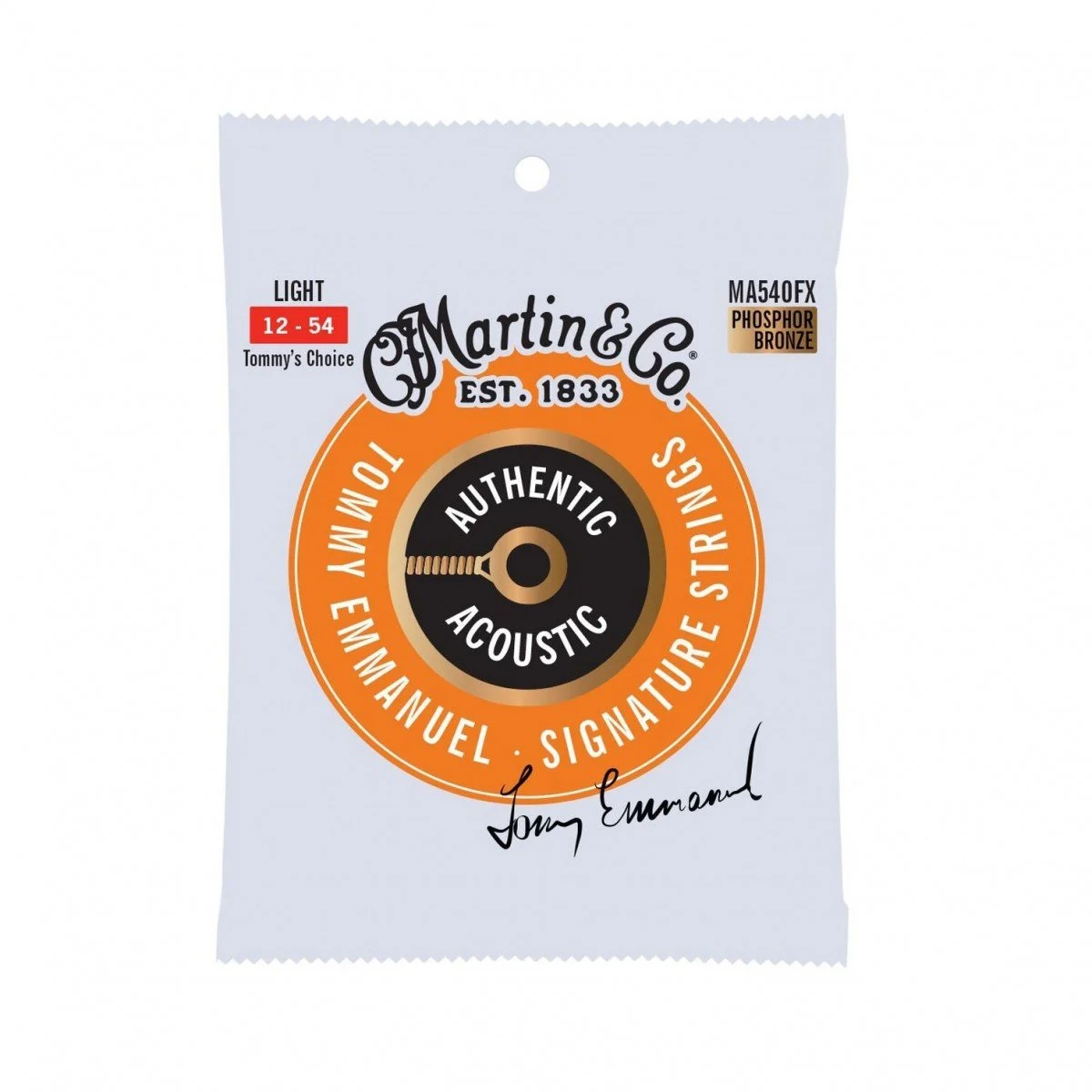

Smooth-feeling strings with a warm, rich tone. Trusted by pros but forgiving enough for learners. Excellent tuning stability and longevity. A great fit for players exploring fingerstyle.
Best bass guitar strings
Ernie Ball Super Slinky 2834 Nickel Bass Guitar Strings
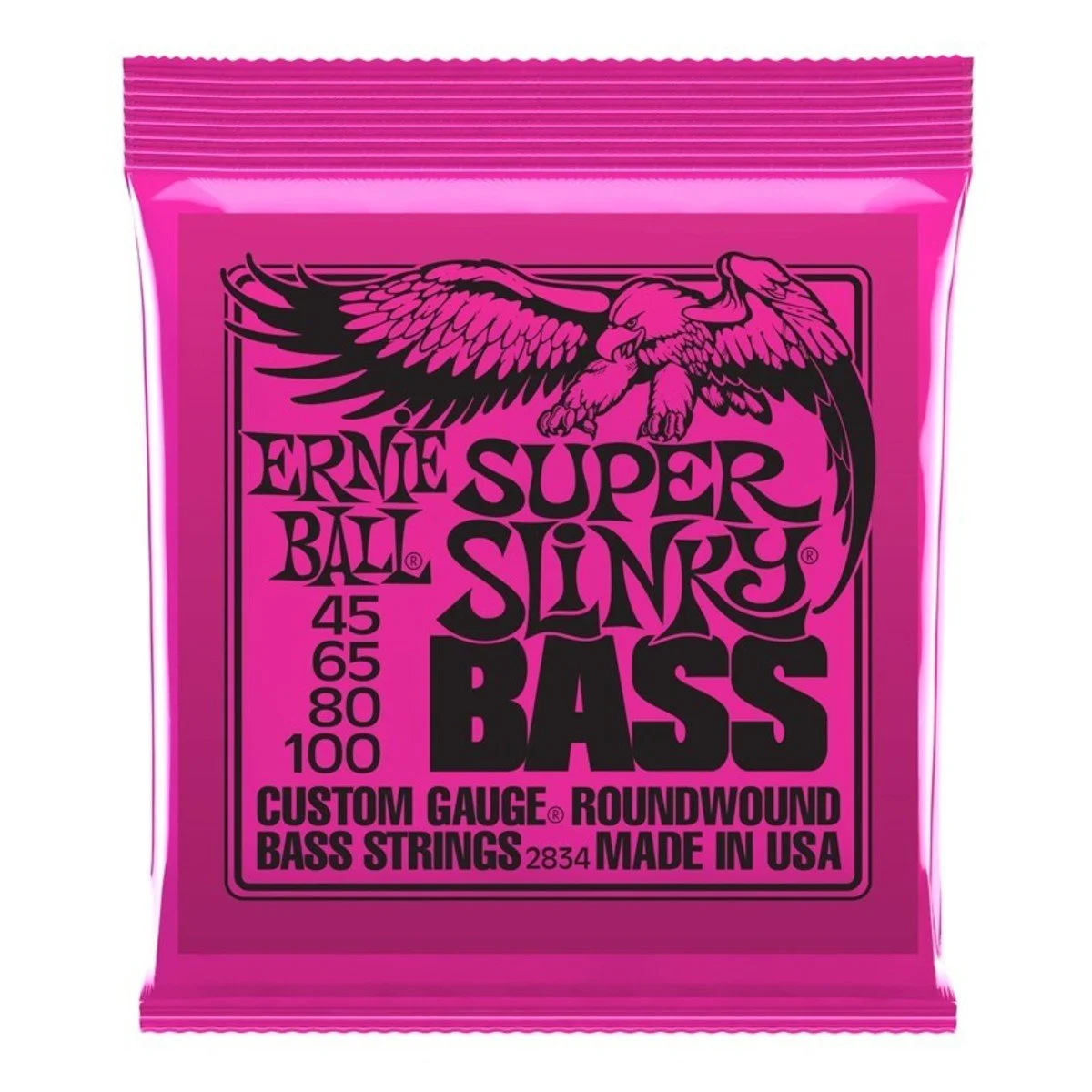
A go-to choice for beginners. These .045-.100 strings offer a balanced tone, smooth feel and excellent playability. Suitable for most genres.
Fender 7250M Long Scale Bass Guitar Strings
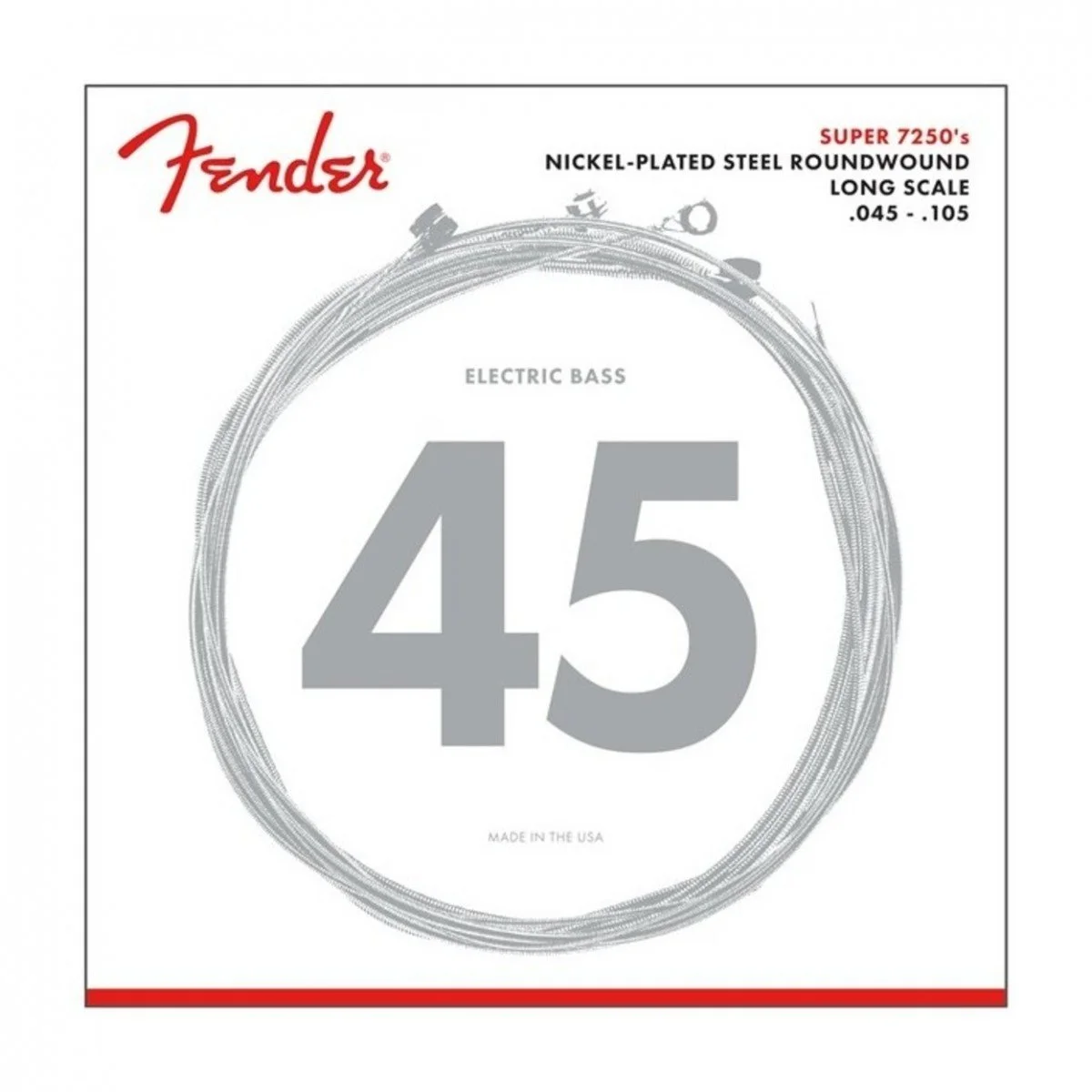
Durable nickel-plated steel strings with punchy mids and bright highs. These medium gauge strings (.045-.105) are ideal for standard tuning and offer a well-rounded tone.
Ernie Ball Regular Slinky 2732 Cobalt Bass Guitar Strings 50-105
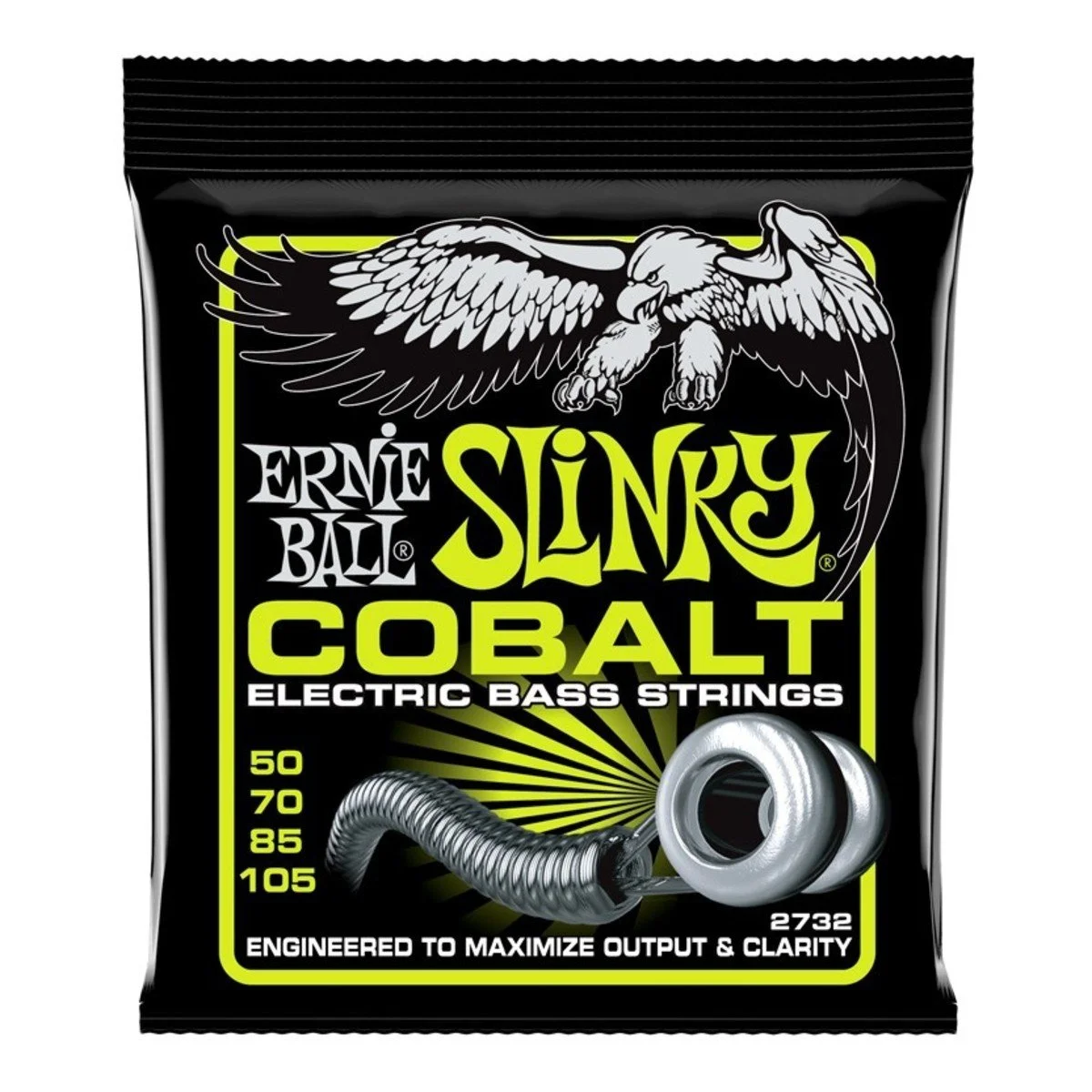

Designed for enhanced output and feel, these cobalt alloy strings deliver a dynamic tone with extended range. Great for bassists who want clarity and articulation.
Guitar string FAQs
How often should I change guitar strings?
For regular players, changing strings every 1–2 months is typical. If you play daily, consider changing every few weeks. Beginners can stretch to 3 months, but stale strings lose tone and tuning stability.
How often should I change bass strings?
Bass strings tend to last longer. You might change them every 3–6 months, depending on how often you play and your tonal preference. Some players enjoy the worn-in sound of older strings.
Should I clean guitar strings?
Yes. Wipe your strings with a clean cloth to remove sweat and dirt after playing. String cleaner can also extend their life. This simple habit helps preserve tone and feel.
What are the best guitar string brands?
Trusted names include Ernie Ball, D’Addario, Martin, Elixir, and Fender. These brands offer consistent quality and various options for every guitar type.
How much should I spend on guitar strings?
Beginners should expect to pay around £5-£9 per set. Multi-packs offer better value. Premium sets (like coated strings) can cost more but often last longer.
Learn more about guitar strings with Bryan
Still unsure which strings to choose? I am here to help. Feel free to get in touch for expert guidance tailored to your playing style. You can also read more in my guitar string guide for deeper insight into different string types and their characteristics.